The human spine plays a crucial role in maintaining posture, supporting body weight, and enabling flexible movement. However, certain postural disorders such as kyphosis and lordosis can affect the spine’s natural curves, leading to discomfort, pain, and long-term complications if not addressed early.
As a leading Consultant Spine Surgeon in Nagpur, Dr. Paresh Bang specializes in diagnosing and treating spinal deformities like kyphosis and lordosis. In this blog, he explains these conditions, their causes, symptoms, and available treatment options.
Understanding Normal Spine Curvature
The spine is naturally curved to maintain balance and absorb shock. These curves include:
Cervical lordosis (inward curve in the neck)
Thoracic kyphosis (outward curve in the upper back)
Lumbar lordosis (inward curve in the lower back)
While mild curves are normal and necessary, exaggerated curvatures can lead to postural disorders like kyphosis and lordosis.
What Is Kyphosis?
Kyphosis refers to an excessive outward curvature of the upper back, giving a rounded or “hunched” appearance. While a slight curve is normal, excessive kyphosis may be visible and can lead to pain or breathing issues in severe cases.
Common Causes of Kyphosis:
Postural habits: Slouching or poor sitting posture
Scheuermann’s disease: A condition that causes wedge-shaped vertebrae
Osteoporosis: Weakening of bones, especially in older adults
Spinal fractures or trauma
Congenital abnormalities: Present from birth
What Is Lordosis?
Lordosis is the excessive inward curvature of the lower back (lumbar region), also known as swayback. It can make the abdomen and buttocks appear more prominent.
Common Causes of Lordosis:
Obesity: Extra weight pulling the spine forward
Pregnancy: Temporary lordosis due to abdominal growth
Muscle imbalances or weak core muscles
Spondylolisthesis: A condition where one vertebra slips over another
Congenital spine disorders
Symptoms of Kyphosis and Lordosis
While some patients may not experience noticeable symptoms, others may report:
Back pain or stiffness
Visible changes in posture
Fatigue due to poor spinal alignment
Limited range of motion
In severe cases, nerve compression or breathing difficulties
Dr. Paresh Bang emphasizes that early evaluation is key to preventing long-term complications and spinal deformities.
Diagnosis of Postural Spine Disorders
Diagnosis typically involves:
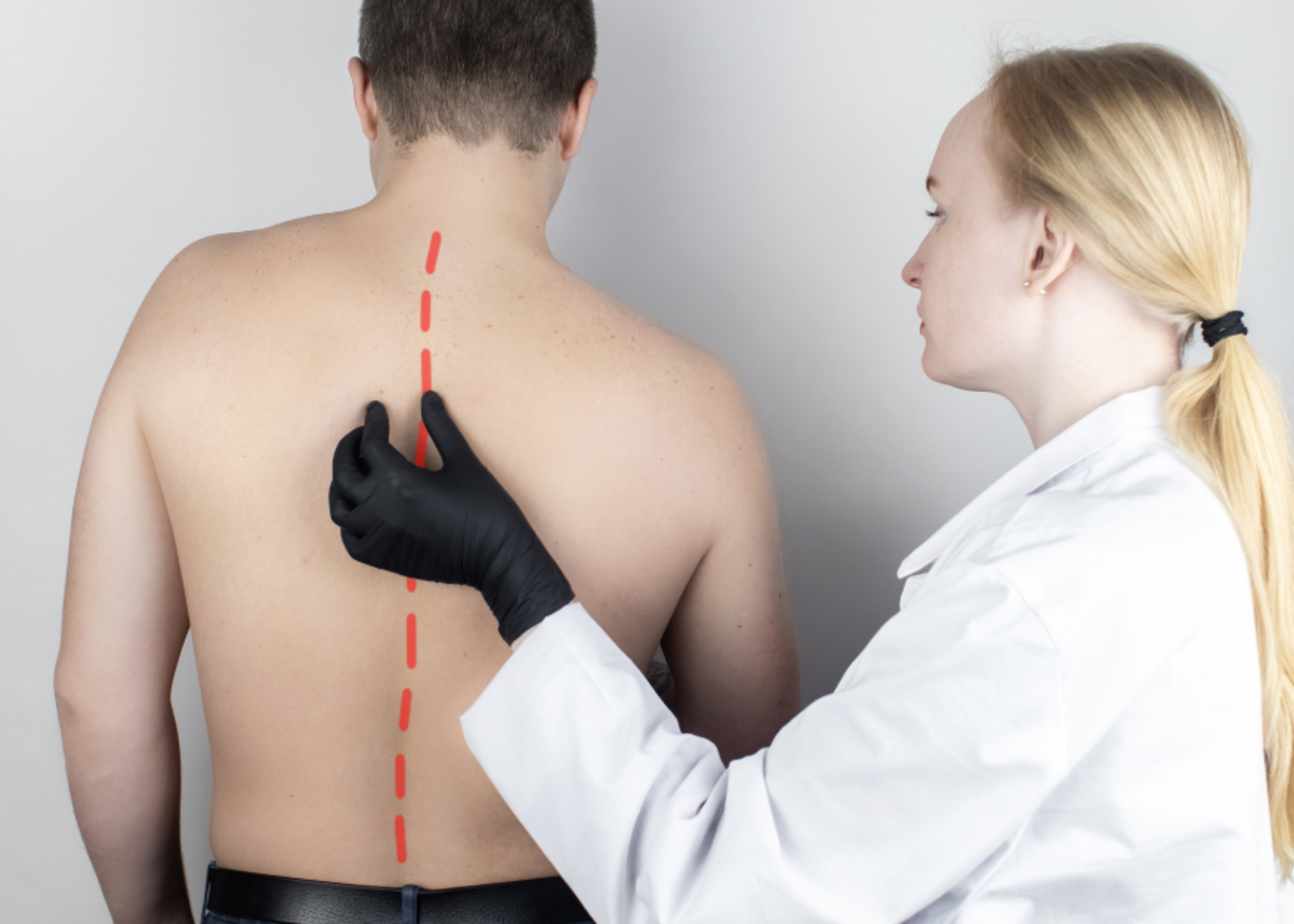
Physical Examination: Assessing posture, spinal alignment, and range of motion
X-rays: To measure the degree of curvature
MRI or CT Scans: To evaluate soft tissue, spinal cord, or nerve involvement
Bone density tests: Especially if osteoporosis is suspected
Accurate diagnosis helps tailor treatment plans based on the severity and underlying cause.
Treatment Options for Kyphosis and Lordosis
Treatment depends on the cause, severity, and symptoms of the condition. Dr. Paresh Bang offers a range of non-surgical and surgical options for effective management.
1. Conservative Treatments:
Posture correction exercises
Physical therapy to strengthen core and back muscles
Bracing (especially in adolescents with progressive curvature)
Pain management through medications and heat therapy
Lifestyle modifications like weight loss or ergonomic corrections
2. Surgical Intervention:
Surgery may be recommended in severe cases with:
Progressive spinal deformity
Persistent pain unresponsive to conservative care
Neurological symptoms due to spinal cord compression
Spinal fusion surgery is commonly performed to correct the curvature and stabilize the spine.
Expert Spine Care in Nagpur
Dr. Paresh Bang brings extensive experience in managing spinal deformities, from mild postural issues to complex spine conditions. At his spine care center in Nagpur, patients benefit from:
Accurate diagnosis using advanced imaging
Individualized treatment plans
Modern surgical techniques with minimal recovery time
Post-treatment rehabilitation and posture training
His holistic and patient-centric approach ensures not only pain relief but also long-term spinal health and improved quality of life.
Kyphosis and lordosis are common postural spine disorders that can significantly impact daily life if left untreated. Recognizing the signs early and consulting an experienced spine specialist can make a world of difference.
If you or a loved one is experiencing poor posture, back pain, or noticeable changes in spine alignment, consult Dr. Paresh Bang in Nagpur for expert evaluation and advanced treatment options.
Disclaimer: The information provided here should not be used during any medical emergency or for the diagnosis or treatment of any medical condition. The information is provided solely for educational purpose and should not be considered a substitute for medical advice.

 AboutMyClinic